Heritage · Évora, Alentejo
Walls of Évora
Defensive layers around the historic centre
Discover Walls of Évora
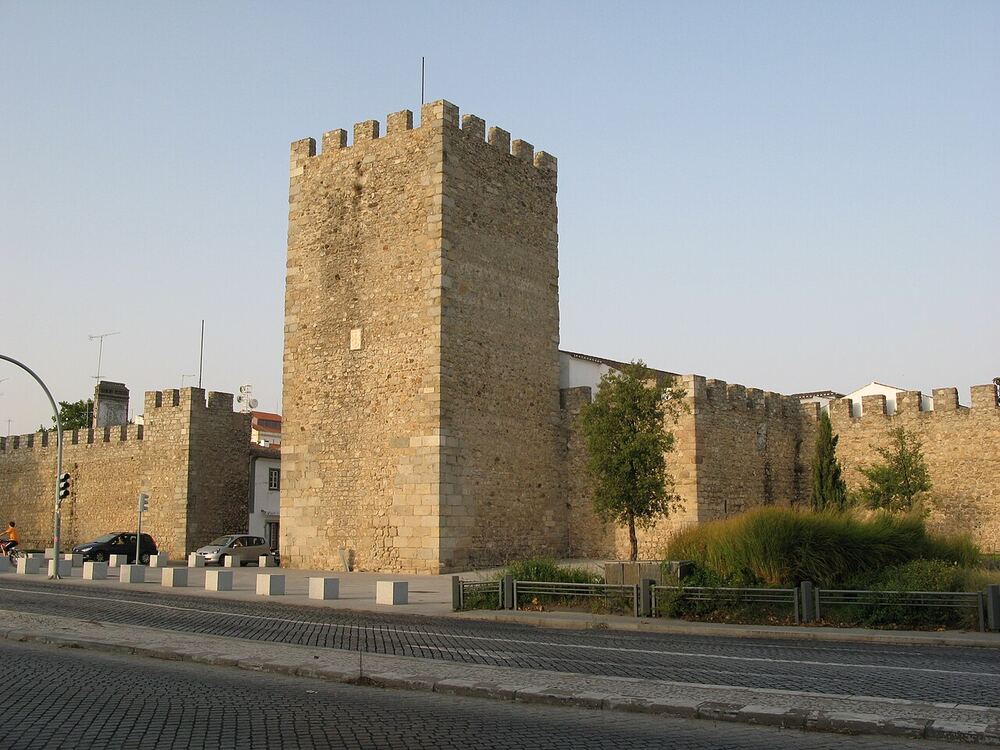
The city walls reveal how Évora developed over centuries. Surviving stretches and gateways mark former boundaries of the historic urban area.
Management and conservation
The walls form part of Évora’s urban heritage. Check municipal notices for works and restricted sections.
How to plan your visit
Plan a 30–60-minute walk along public paths beside selected sections. Do not assume the wall tops are open to visitors.
Why this place stands out
- Differences in stonework across periods
- Historic gates and road crossings
- The relationship between defensive walls and the old town
Place facts and transport
- Place
- Walls of Évora
- Location
- Various points around historic Évora, Portugal. The map identifies the wall system, not a single entrance.
- Suggested duration
- Plan a 30–60-minute walk along public paths beside selected sections. Do not assume the wall tops are open to visitors.
- Opening and entry
- Exterior sections visible from public areas can be viewed subject to local conditions.
Opening hours and access
Exterior sections visible from public areas can be viewed subject to local conditions.
Tickets and prices
Public exterior viewing is free; guided experiences may be charged separately.
Getting here
Walking in the old town
Various points around historic Évora, Portugal. The map identifies the wall system, not a single entrance.
Driving and parking
The old town has narrow streets and driving restrictions. Check authorised public parking areas and complete the approach on foot.
Public transport
Use regional services to Évora, check current timetables and connections, and walk the final stretch to the monument.
Heritage and cultural context
Évora’s defensive circuits reflect different periods from antiquity through the Middle Ages and later expansions. The visible walls should not be treated as one uniform structure.
Look for changes in masonry, towers, gateways and the points where modern streets pass through older lines of defence.
Before you enter
Oblique angles show wall thickness and street context; low sunlight enhances stone texture.
Exterior sections visible from public areas can be viewed subject to local conditions.
Getting here
The historic centre is best explored on foot. Narrow lanes, old paving and traffic restrictions make it useful to confirm the pedestrian approach on the map. Check transport services for longer journeys to Évora.
Various points around historic Évora, Portugal. The map identifies the wall system, not a single entrance.
Visitor ratings and reviews
Explore recent visitor ratings and experiences for this monument on Google Maps.
View current Google Maps reviews ↗Where to stay for this area
For a walking itinerary, consider accommodation in Évora’s historic centre or near pedestrian access points. Check the actual walking distance and parking conditions if arriving by car.
History
Évora’s defensive circuits reflect different periods from antiquity through the Middle Ages and later expansions. The visible walls should not be treated as one uniform structure.
Architecture and setting
Look for changes in masonry, towers, gateways and the points where modern streets pass through older lines of defence.
What to look for
- Differences in stonework across periods
- Historic gates and road crossings
- The relationship between defensive walls and the old town
Practical information
Location and access
Various points around historic Évora, Portugal. The map identifies the wall system, not a single entrance.
Opening and access
Exterior sections visible from public areas can be viewed subject to local conditions.
Tickets and prices
Public exterior viewing is free; guided experiences may be charged separately.
Visit duration and advice
Plan a 30–60-minute walk along public paths beside selected sections. Do not assume the wall tops are open to visitors.
Suggested walking route
- 1
Select a visible section at the edge of the historic centre
- 2
Examine gates and adjoining streets
- 3
Continue on public paths to a second section, avoiding private land
Photography and responsible visiting
Oblique angles show wall thickness and street context; low sunlight enhances stone texture.
Frequently asked questions
Can I include Walls of Évora on a walking itinerary?
Plan a 30–60-minute walk along public paths beside selected sections. Do not assume the wall tops are open to visitors. Various points around historic Évora, Portugal. The map identifies the wall system, not a single entrance.
What should I verify before visiting?
Exterior sections visible from public areas can be viewed subject to local conditions. Public exterior viewing is free; guided experiences may be charged separately.
Map and sources
Various points around historic Évora, Portugal. The map identifies the wall system, not a single entrance.
Keep exploring Évora
Roman Baths of Évora
Ancient public baths beneath the Town Hall
Church of Saint Vincent, Évora
A neighbourhood church linked to the tradition of Évora’s martyrs
Évora Public Garden
Romantic landscaped walks and historic follies
Portas de Moura Fountain
A Mannerist fountain in Évora’s historic streets
Church of the Holy Spirit of Évora
A Mannerist church with Jesuit architectural roots
Palace of the Dukes of Cadaval
Noble residence and medieval towers beside the Roman Temple
Church of Mercy of Évora
Narrative tiles and gilded Baroque carving
Chapel of Saint Blaise
Late Gothic chapel beyond Évora’s medieval walls
Church of Our Lady of Grace
A distinctive Renaissance façade in Évora
Church of the Lóios (Saint John the Evangelist)
Gothic-Manueline details and historic tile panels
College of the Holy Spirit
Historic university cloisters in Évora
Roman Temple of Évora
Corinthian columns above the historic city
Évora Cathedral
A fortified medieval cathedral above the old town
Água de Prata Aqueduct
Renaissance water engineering across Évora
Praça do Giraldo
Évora’s central square and civic meeting place
Chapel of Bones
A powerful reflection on mortality
Church of São Francisco
A monumental church adjoining the Chapel of Bones
Palace of Dom Manuel
Royal history within Évora’s public garden
National Museum Frei Manuel do Cenáculo
Art and archaeology beside the Roman Temple
Church of Santo Antão
The church facing Praça do Giraldo