Heritage · Évora, Alentejo
Church of the Lóios (Saint John the Evangelist)
Gothic-Manueline details and historic tile panels
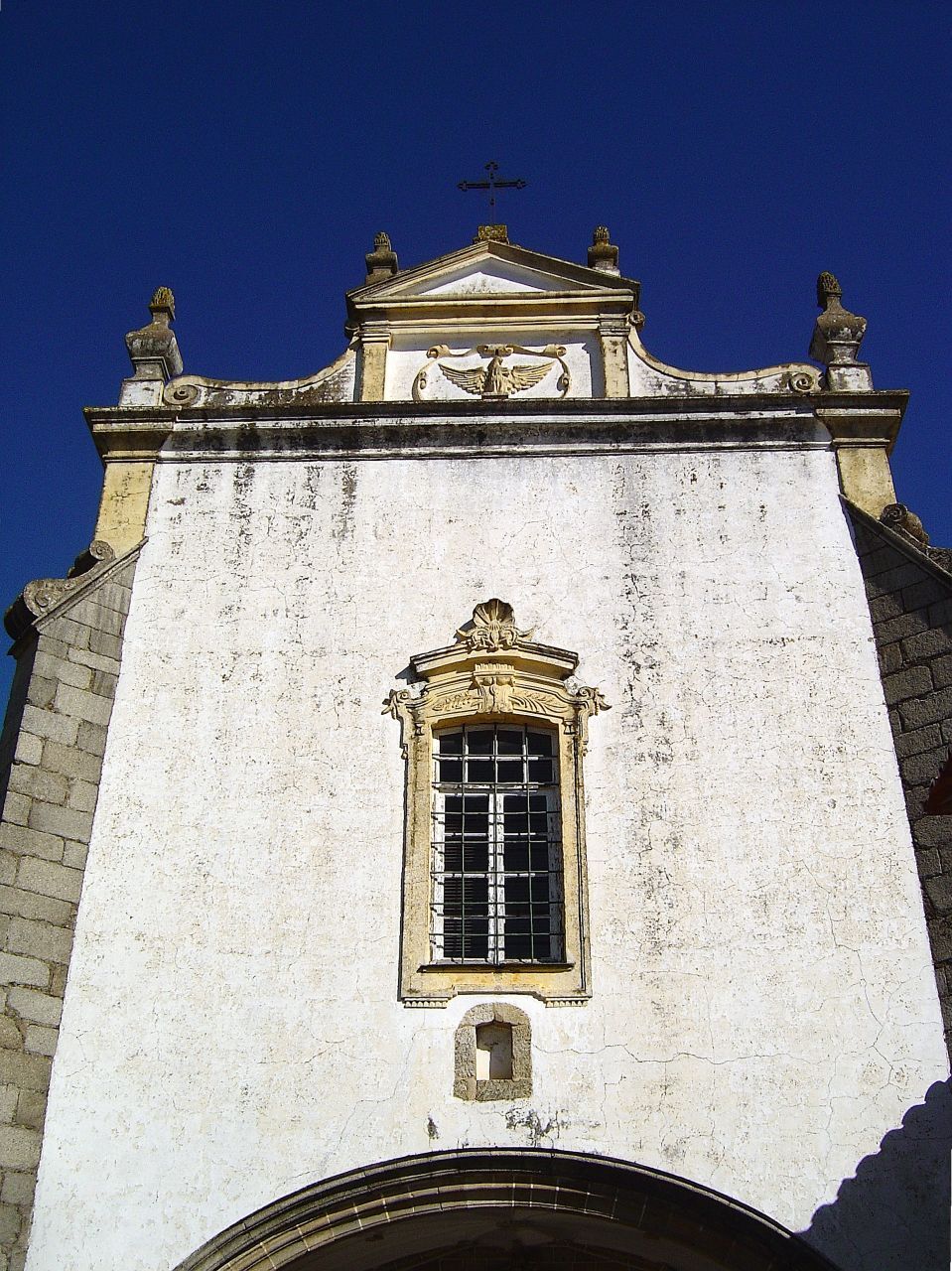
Discover Church of the Lóios (Saint John the Evangelist)
This church sits near the Roman Temple and Cadaval Palace. Its architectural layers contrast medieval stonework with narrative azulejo tiles.
Management and conservation
The heritage institution responsible for the church defines visiting circuits, tickets and opening conditions.
How to plan your visit
Allow 30–60 minutes if the interior is open, or combine an exterior visit with the nearby Roman Temple.
Why this place stands out
- Gothic-Manueline doorway details
- Narrative tile panels when interior access is permitted
- The setting beside the Roman Temple and Cadaval Palace
Place facts and transport
- Place
- Church of the Lóios (Saint John the Evangelist)
- Location
- Near Largo do Conde de Vila Flor and Cadaval Palace, historic Évora, Portugal.
- Suggested duration
- Allow 30–60 minutes if the interior is open, or combine an exterior visit with the nearby Roman Temple.
- Opening and entry
- Interior visiting depends on the heritage circuit schedule; confirm ahead.
Opening hours and access
Interior visiting depends on the heritage circuit schedule; confirm ahead.
Tickets and prices
Interior admission may form part of a ticketed visit; check current terms.
Getting here
Walking in the old town
Near Largo do Conde de Vila Flor and Cadaval Palace, historic Évora, Portugal.
Driving and parking
The old town has narrow streets and driving restrictions. Check authorised public parking areas and complete the approach on foot.
Public transport
Use regional services to Évora, check current timetables and connections, and walk the final stretch to the monument.
Heritage and cultural context
The church and former convent date to the late fifteenth century. Later alterations changed the façade while the ensemble remained important to local religious and noble history.
Notice the Gothic doorway, Manueline details and, if open, tile panels depicting the life of Saint Lawrence Justinian.
Before you enter
Frame the historic exterior with the adjacent convent; ask before photographing interior tiles.
Interior visiting depends on the heritage circuit schedule; confirm ahead.
Getting here
The historic centre is best explored on foot. Narrow lanes, old paving and traffic restrictions make it useful to confirm the pedestrian approach on the map. Check transport services for longer journeys to Évora.
Near Largo do Conde de Vila Flor and Cadaval Palace, historic Évora, Portugal.
Visitor ratings and reviews
Explore recent visitor ratings and experiences for this monument on Google Maps.
View current Google Maps reviews ↗Where to stay for this area
For a walking itinerary, consider accommodation in Évora’s historic centre or near pedestrian access points. Check the actual walking distance and parking conditions if arriving by car.
History
The church and former convent date to the late fifteenth century. Later alterations changed the façade while the ensemble remained important to local religious and noble history.
Architecture and setting
Notice the Gothic doorway, Manueline details and, if open, tile panels depicting the life of Saint Lawrence Justinian.
What to look for
- Gothic-Manueline doorway details
- Narrative tile panels when interior access is permitted
- The setting beside the Roman Temple and Cadaval Palace
Practical information
Location and access
Near Largo do Conde de Vila Flor and Cadaval Palace, historic Évora, Portugal.
Opening and access
Interior visiting depends on the heritage circuit schedule; confirm ahead.
Tickets and prices
Interior admission may form part of a ticketed visit; check current terms.
Visit duration and advice
Allow 30–60 minutes if the interior is open, or combine an exterior visit with the nearby Roman Temple.
Suggested walking route
- 1
Start at the Roman Temple
- 2
Find the permitted church visitor entrance
- 3
Continue past Largo do Marquês de Marialva to the Cathedral
Photography and responsible visiting
Frame the historic exterior with the adjacent convent; ask before photographing interior tiles.
Frequently asked questions
Can I include Church of the Lóios (Saint John the Evangelist) on a walking itinerary?
Allow 30–60 minutes if the interior is open, or combine an exterior visit with the nearby Roman Temple. Near Largo do Conde de Vila Flor and Cadaval Palace, historic Évora, Portugal.
What should I verify before visiting?
Interior visiting depends on the heritage circuit schedule; confirm ahead. Interior admission may form part of a ticketed visit; check current terms.
Map and sources
Near Largo do Conde de Vila Flor and Cadaval Palace, historic Évora, Portugal.
Keep exploring Évora
Roman Baths of Évora
Ancient public baths beneath the Town Hall
Church of Saint Vincent, Évora
A neighbourhood church linked to the tradition of Évora’s martyrs
Évora Public Garden
Romantic landscaped walks and historic follies
Portas de Moura Fountain
A Mannerist fountain in Évora’s historic streets
Church of the Holy Spirit of Évora
A Mannerist church with Jesuit architectural roots
Palace of the Dukes of Cadaval
Noble residence and medieval towers beside the Roman Temple
Church of Mercy of Évora
Narrative tiles and gilded Baroque carving
Chapel of Saint Blaise
Late Gothic chapel beyond Évora’s medieval walls
Church of Our Lady of Grace
A distinctive Renaissance façade in Évora
College of the Holy Spirit
Historic university cloisters in Évora
Roman Temple of Évora
Corinthian columns above the historic city
Évora Cathedral
A fortified medieval cathedral above the old town
Água de Prata Aqueduct
Renaissance water engineering across Évora
Walls of Évora
Defensive layers around the historic centre
Praça do Giraldo
Évora’s central square and civic meeting place
Chapel of Bones
A powerful reflection on mortality
Church of São Francisco
A monumental church adjoining the Chapel of Bones
Palace of Dom Manuel
Royal history within Évora’s public garden
National Museum Frei Manuel do Cenáculo
Art and archaeology beside the Roman Temple
Church of Santo Antão
The church facing Praça do Giraldo